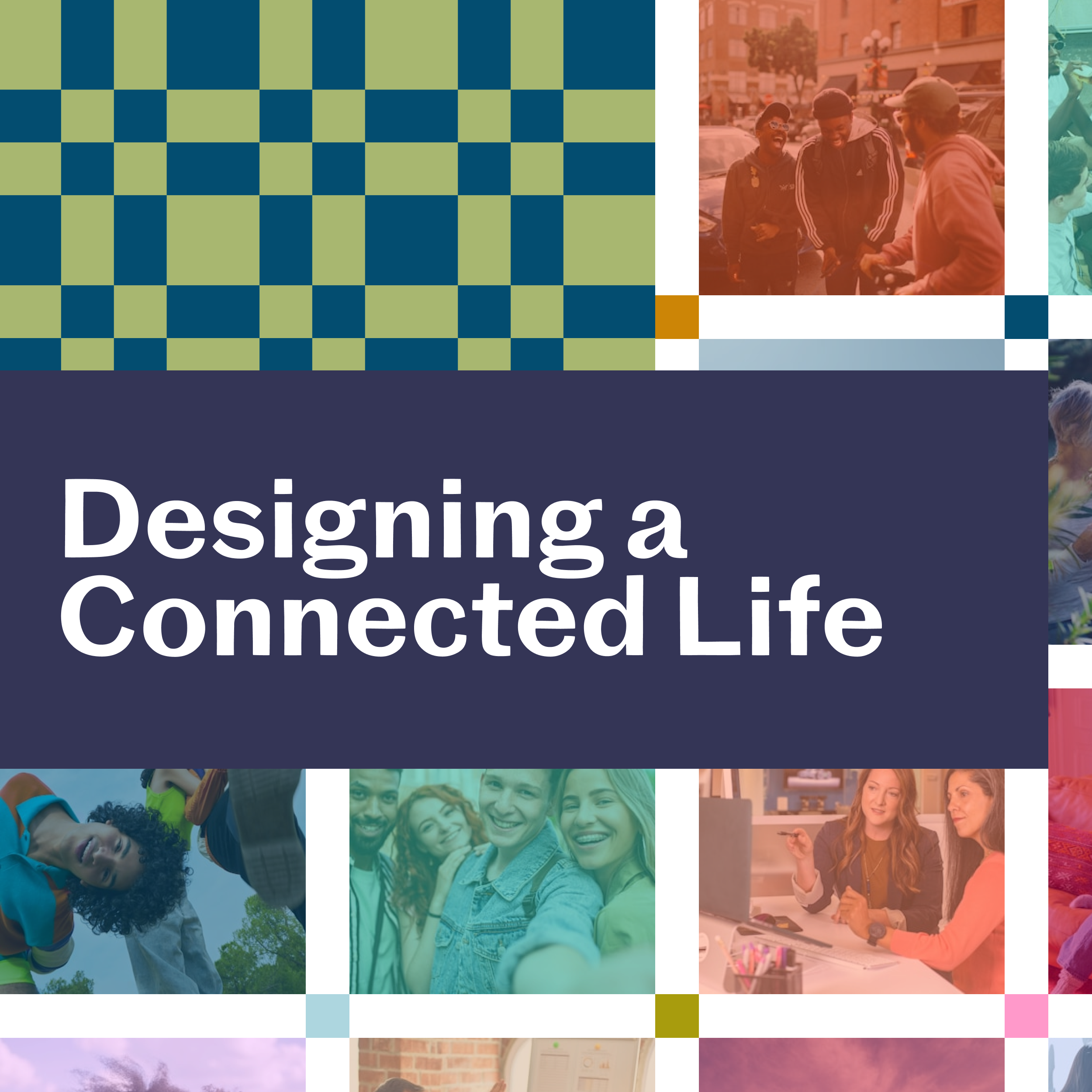
6 Points of Connection

Social connection, more than any other factor, predicts our health, happiness, longevity, and ability to live harmoniously amongst those different from ourselves. But what exactly does it mean, and how do we intentionally cultivate it?
The U.S. Chamber of Connection created the 6 Points of Connection as a clear and actionable checklist for individuals and leaders to define and strengthen social bonds. Grounded in extensive research across fields like psychology, healthcare, sociology, and urban planning, these six points address the core elements of social connection: safety, emotional bonding, bridging social divides, and civic engagement.
Individuals
This checklist is your blueprint for a thriving, connected life. Use it to assess your current social connections and make intentional choices to invest in meaningful activities and relationships.
Leaders
Whether you lead in business, education, or government, this checklist offers a strategic framework for measuring and fostering social connection. Focus your efforts on cultivating strong social networks among employees, students, and communities to create environments where everyone can thrive.
First Point of Connection
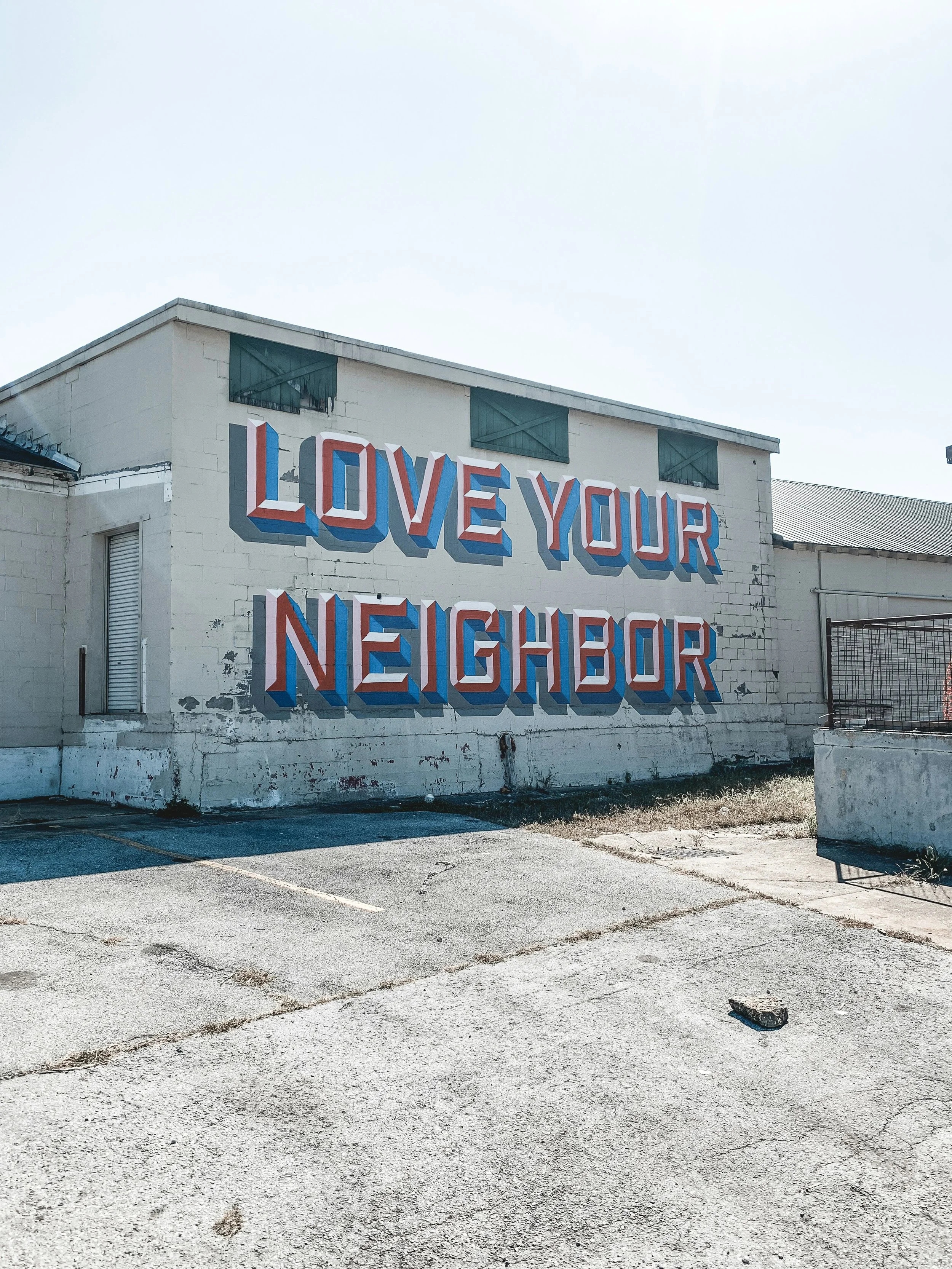
Neighbor
Emergency
Contact
One trusted neighbor can make all the difference - someone to grab a package, lend a hand, or help in an emergency. In Seattle’s 129 neighborhoods, that simple connection can turn a street into a community.
Yet 1 in 3 Americans don’t know a single neighbor, and nearly half rarely interact with the people living closest to them. Without those small, regular moments of connection, it’s hard to feel safe or settled.
Getting to know your neighbors isn’t just nice, it’s powerful. It builds safety, belonging, and resilience, especially in communities where paying for help isn’t always possible.
Build Connection on Your Block
Join our community to find people in your neighborhood.
Knock on a door and introduce yourself.
Host a block party or potluck, food brings people together.
Ask for help, people love to feel useful.
Smile and say hi when you pass a neighbor.
Second Point of Connection
Community of Identity
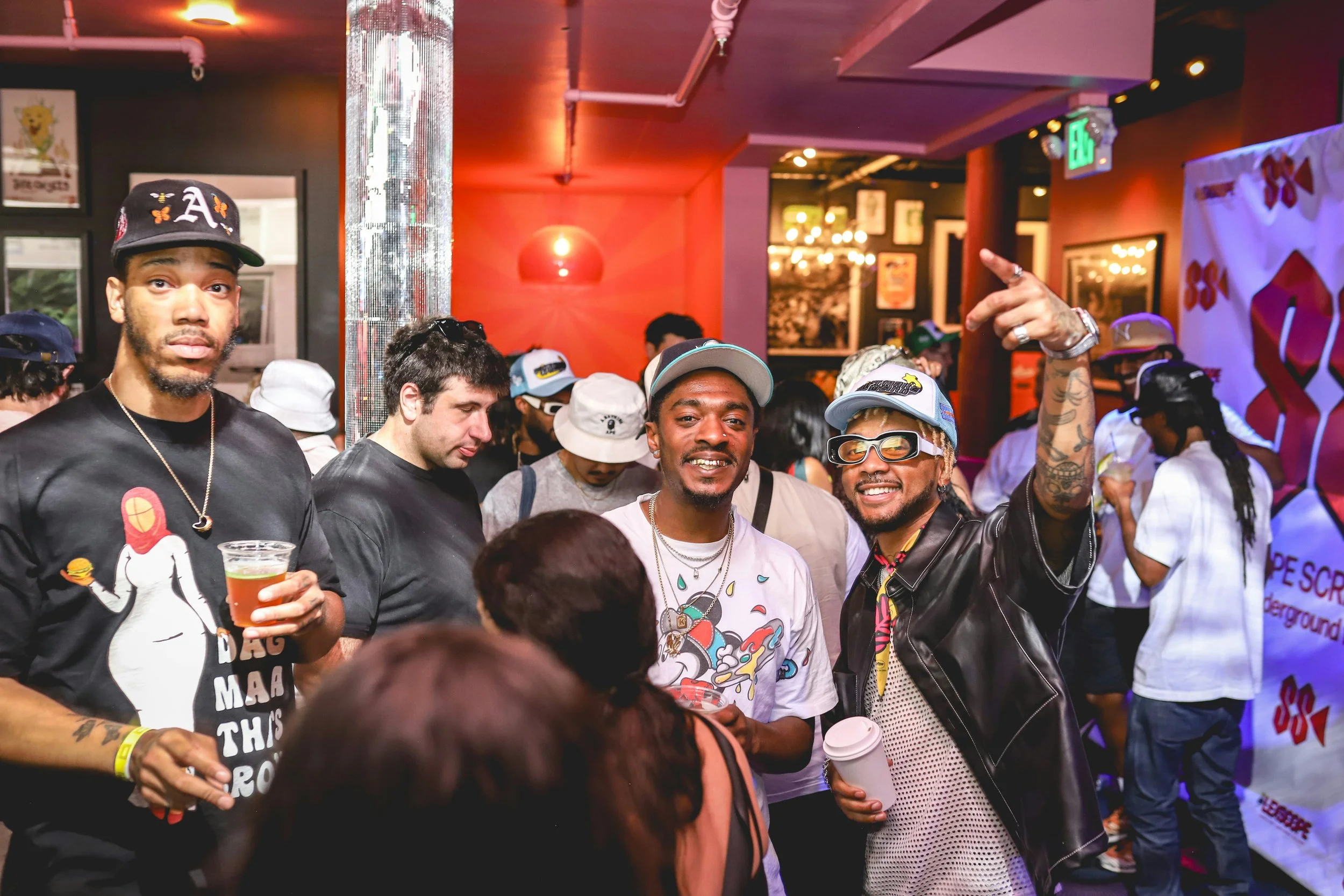
We all need spaces where we feel understood. Places where our stories, values, or background instantly make sense to others. These are our communities of identity, the groups that reflect who we are and remind us we belong.
In Seattle, these communities take many forms: LGBTQ+ groups on Capitol Hill, Filipino and East African cultural centers in Rainier Valley, PEPS for parents, women’s leadership circles downtown, alumni networks, and faith communities across the city.
Research shows that 63% of Americans say most of their close friends share their race or ethnicity, proof that shared identity builds comfort and trust. When we find “our people,” we not only feel supported, but we also gain the confidence to connect more broadly across the city.
Find Your Community
Join our community to find groups that may share one of your identities.
Connect with others from where you grew up or went to school.
Attend an identity-based meetup.
Visit a cultural hub for an event.

Third Point of Connection
One-On-One Weekly Social Interactions
People who have at least two meaningful social interactions outside home or work each week are happier, healthier, and more resilient. Simple moments (coffee with a friend, a walk with a neighbor, or a real talk after yoga) reduce stress and boost belonging.
Yet many of us aren’t getting enough, especially in Seattle. Only half of adults have daily in-person interactions, and nearly one in five rarely have any meaningful contact at all. In a city as friendly but independent as Seattle, it takes effort to make plans, but it’s worth it.
It takes 6 meaningful interactions to make a real friend and 200 hours to make a best friend. It all starts with the first walk or coffee.
Schedule Your 1:1s
Join our community to meet new people.
Form positive, consistent, and vulnerable relationships.
Who brings you energy? Invite them to a weekly walk.
Don’t wait for someone else to initiate.

Fourth Point of Connection
Third Place
A third place is anywhere you regularly spend time outside of work and home where connection happens naturally(a café, park, gym, church, or community center). It’s where you bump into familiar faces, unwind, and start to feel part of the city.
Seattle is ranked as one of the top cities in the nation for third places. With 27 library branches, 26 community centers, 485 parks, 420 coffee shops, 800 bars, 2,400 restaurants, 163 houses of worship, and 338 gyms, our city offers endless ways to belong.
Research shows that people who regularly spend time in third places feel less lonely and more satisfied with life, yet nearly half of Americans don’t visit a social space even once a month.
Find Your Favorite Third Place
Join our community to identify fun, new possible places.
Consider what routines you have at home and how you might do them in the community (e.g. workout, read, etc.).
Give a new place a few tries before deciding if you want to become a regular.
Find a consistent time to visit as you will start to see more familiar faces.
Say “hi” and introduce yourself whenever you get the chance.
Fifth Point of Connection
Community of Play
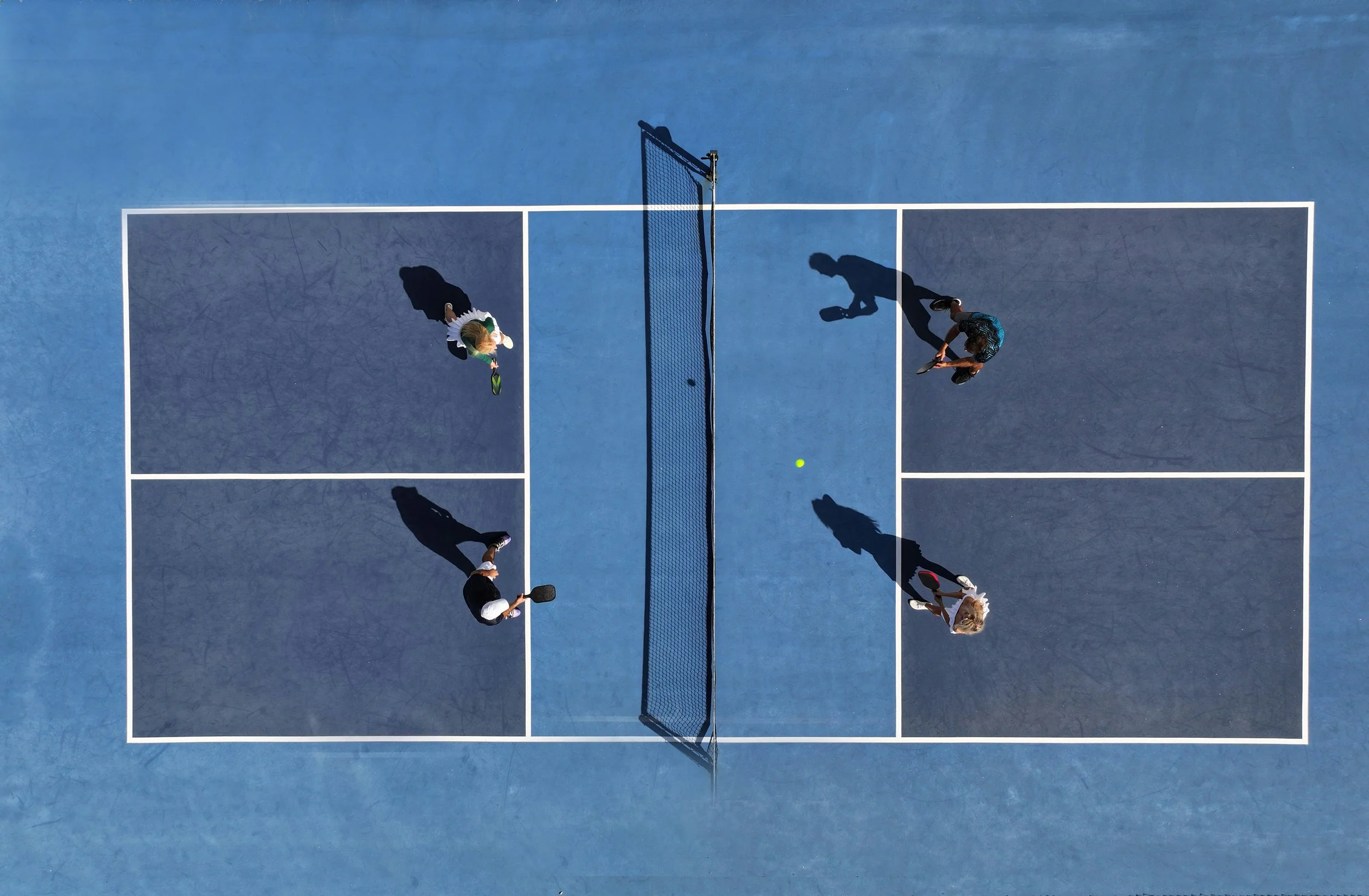
Finding a community built around a shared passion is one of the easiest ways to make real connections. Whether it’s soccer, ceramics, hiking, or singing, shared activity builds faster bonds than conversation alone and helps people cross social and cultural boundaries.
Creative collaboration boosts mental health, innovation, and joy. Studies show that joining organized activities (e.g. sports leagues, art classes, or community projects) strengthens belonging and creates bridging ties across lines of difference.
In Seattle, opportunities are everywhere: from volleyball leagues at Green Lake to choirs, maker spaces, and dance nights.
Find Your Community
Join our community to learn about social clubs you can join.
Become a community builder and start your own community.
Make the most of it, challenge yourself to get to know people in the communities you join.
Sixth Point of Connection
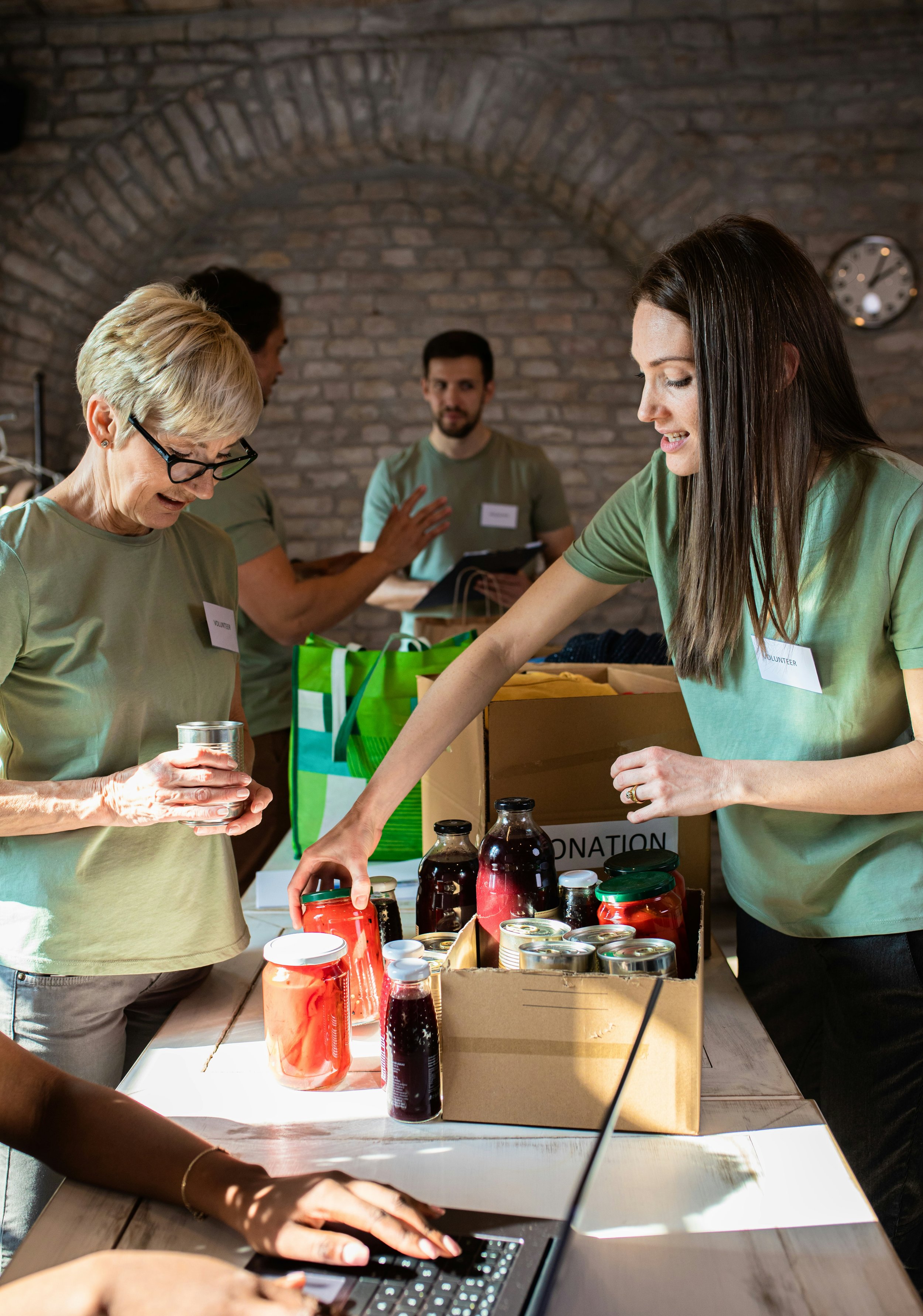
Community Service
Seattle has one of the highest rates of volunteering in the country.
Engaging in community service not only boosts individual well-being but also strengthens every part of society. Volunteering has been shown to reduce stress, enhance life satisfaction, and promote mental health. Those who regularly serve others report higher levels of happiness and fulfillment, often experiencing a “helper’s high” from contributing positively to their community.
Explore the many ways to serve: mentoring youth, teaching classes, supporting arts and cultural festivals, or serving as a docent, performer, or advocate. Every act of service makes our city stronger and more connected.
Explore How You Can Make an Impact
Join our community to learn about volunteer opportunities.
Ask people you meet if they volunteer, and if so if you can join them.
Building connection is service, host a block party or start a social club.
Taking Action
Now is the time to take action. Use this six-point checklist to intentionally design a life filled with meaningful social connections and purpose for yourself. Take stock of how you are doing on each of the six items and prioritize where you want to invest in connection in the next month and year.
For leaders—whether in schools, companies —this checklist is a tool to create thriving communities. By building systems, skills, and measurement strategies that promote social engagement, you help ensure that employees, students, and citizens have access to the relationships and networks that foster well-being and resilience. Whether through workplace initiatives, educational programs, or public spaces, integrating these six points can lead to healthier, more connected environments where everyone has the chance to thrive.
Apply the Six Points
Our new 7-week virtual course enables you to redesign your life around the Six Points of Connection.
Each week, you’ll partner with another member of the course - or someone in your own community - to apply what you’re learning and design connection into everyday life.